


Stepping into a casino can feel like entering a world of glitz, glamour, and endless possibilities. Bright lights, cheerful music, and clinking chips all work together to create a downright intoxicating atmosphere. But behind the fun and excitement lies a less obvious reality, casinos are mathematical masterminds designed to keep you spending. The deck is truly stacked in their favor, quite literally.
Let’s take a peek behind the curtain and explore how casinos use math to fool you.
The Mighty House Edge
When it comes to games of chance, the term “house edge” is no stranger. It’s the mathematical advantage casinos have over players in every single game they offer. Think of it like a built-in profit margin for the house. Whether it’s roulette, blackjack, or those shiny slot machines, the house edge ensures that, over time, the casino always wins.
For example, in roulette, betting on red or black might seem like a 50/50 chance, right? Wrong. The sneaky little green zero (and sometimes double zero in American roulette) tips the odds slightly in the house’s favor. It might not seem like much, but over hundreds or thousands of spins, that small edge adds up to millions for the casino. The mathematics ensures that, while there may be short-term winners, the casino is always the long-term champion.
Slots and the Illusion of Winning
Slots are arguably the most popular and colorful lure in any casino. But behind those flashy graphics and catchy tunes lies a crafty piece of programming known as the Random Number Generator (RNG). These nifty algorithms make sure every spin is random, but here’s the kicker, it’s not as random as you’d think.
Casinos use something called the “return to player” (RTP) percentage to ensure their profits. Think of it this way: if a slot machine has an RTP of 95%, it’s programmed to pay out $95 for every $100 it takes in over the long haul. Sounds fair? Not quite. That 5% margin is the house edge, and it’s how casinos make billions from slot enthusiasts. Plus, those occasional small wins keep you hooked, making you think you’re “due” for a big payout. Spoiler alert, you’re not.
The Gambler’s Fallacy Trap
Have you ever thought, “I’m definitely due for a win,” after a string of losses? That’s the gambler’s fallacy at work, a cognitive bias that convinces us that past outcomes affect future ones, even when they don’t. Casinos are experts at leveraging this flawed thinking.
Take the roulette wheel, for example. If the ball lands on black five times in a row, you might think red is “due” on the next spin. However, each spin is completely independent; the odds remain the same regardless of what happened before. Casinos profit from this psychological quirk every day, as players increase their bets to “chase” a win that isn’t coming.
Comps Aren’t Really Free
Free drinks, discounted hotel rooms, complimentary meals, it all sounds too good to be true, right? Well, kind of. Casinos are happy to treat big spenders to perks, but make no mistake, you’re still footing the bill. Those comps are carefully calculated to keep you spending. By giving you the illusion of value, they encourage you to stay longer, betting more money in the process. It’s all part of the psychological and mathematical game they’ve mastered.
Time Means Money
Ever noticed how casinos are a little… timeless? There are no clocks, no windows, and definitely no reminders of the outside world. This is no coincidence. The longer you stay inside, the more their math works to their advantage. Without a sense of time, players tend to lose track of how much they’re playing and spending.
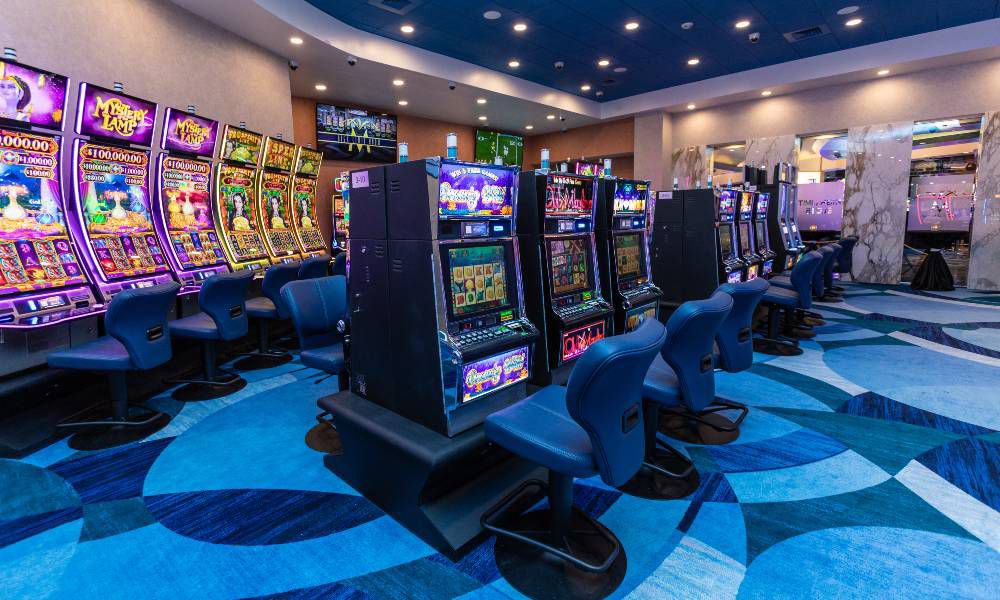
Even the placement of games is strategic. Slot machines are placed in high-traffic areas to grab your attention, while table games are often tucked further back, creating a psychological maze of spending opportunities. It’s a calculated system designed to maximize your time, and their revenue.
Conclusion
Casinos have mastered the art of blending psychology and math to ensure they come out on top. The games might be fun (and they absolutely are designed to be), but make no mistake, every element of a casino is strategically calculated to separate you from your money. The house edge, illusion of big wins, comps, and even the architecture of the building all work together to create an environment that’s nearly impossible to beat.
